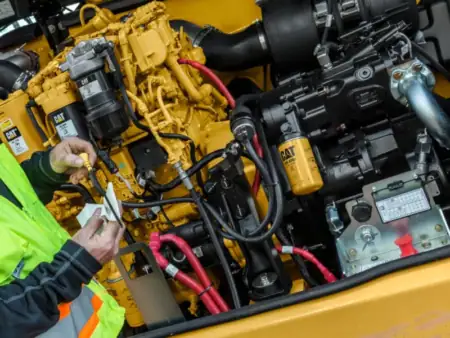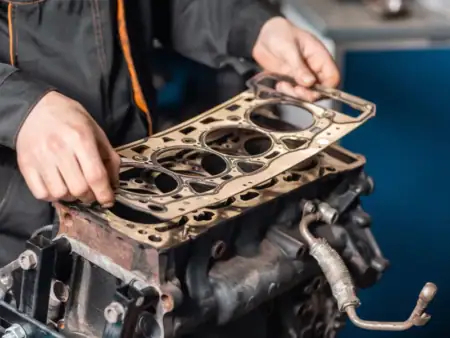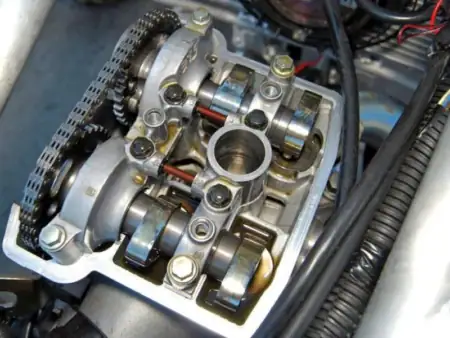
Construction, agriculture, transportation, power generation and industrial machinery—all high-demand global industries—depend heavily on diesel engines. Whether fitted to excavators, tractors, highway trucks or generator sets, diesel technology remains indispensable to reliable heavy-duty performance.
At Holdwell, we work closely with diesel engine spare parts distributors, fleet operators, repair shops, and equipment owners worldwide. One thing is clear: understanding diesel engine parts is essential not only for maintenance, but also for smarter purchasing, better troubleshooting, and longer engine life.
In this guide, we explain the basic parts of a diesel engine , how they work together, common failure points, and what to include in a diesel engine overhaul parts list.
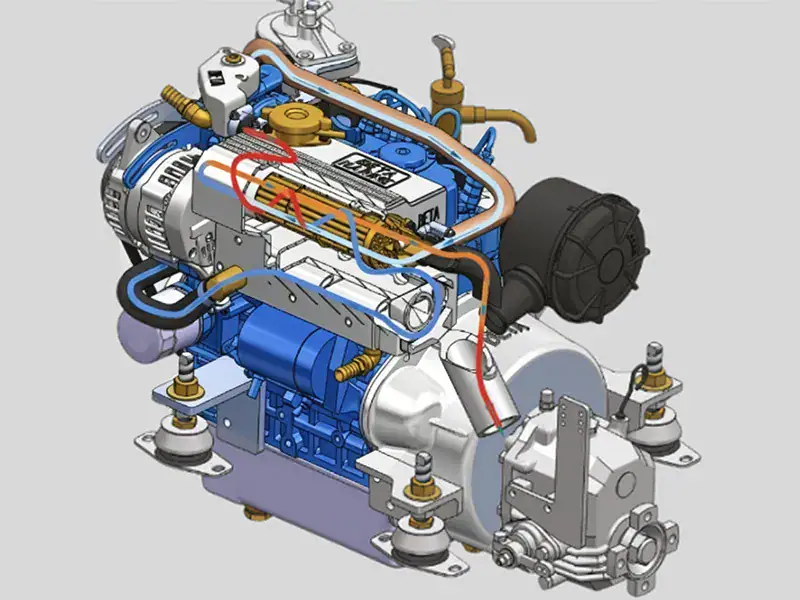
What is a Diesel Engine?
A diesel engine is an internal combustion engine that uses compression ignition rather than spark ignition.
Instead of mixing fuel and air before compression, the engine first compresses air inside the cylinder. As the air is compressed, its temperature rises sharply. Diesel fuel is then injected into the hot compressed air, where it ignites automatically.
Because of this design, diesel engines typically produce:
-
higher torque at low RPM
-
better fuel efficiency under heavy loads
-
greater durability in continuous-duty applications
That is why diesel engines remain widely used in commercial and industrial machinery.
All Parts of a Diesel Engine: Main Systems and Components
A diesel engine is not one single mechanism—it is a group of systems working together. Understanding the diesel engine parts name and their roles makes diagnosis and maintenance far easier.
1. Diesel Engine Fuel System Parts
The fuel system delivers clean diesel fuel at precisely controlled pressure and timing.
Common diesel engine fuel system parts include:
-
fuel tank
-
fuel transfer pump
-
fuel filter
-
fuel injection pump
-
common rail (on modern engines)
-
fuel injectors
-
pressure regulator
-
fuel lines
How it works?
Fuel is filtered, pressurized, and delivered to the injectors. The injectors atomize the fuel into a fine mist inside the combustion chamber, where it mixes with compressed hot air.
Common problems include hard starting, black smoke, rough idle, reduced fuel economy, and noticeable loss of power. Poor injector spray patterns or unstable injection timing can disrupt the combustion process and reduce overall engine efficiency.
2. Piston, Piston Rings, and Cylinder
These are among the most important basic diesel engine parts.
Piston
The piston moves up and down inside the cylinder.
● during compression, it compresses air
● during combustion, it receives force from expanding gases
Piston rings
Piston rings seal the gap between piston and cylinder wall.
Their job is to:
● maintain compression
● control oil consumption
● reduce blow-by
● transfer heat
Cylinder
The cylinder is the chamber where compression and combustion happen.
Typical failure symptoms include low compression, blue or white exhaust smoke, increased oil consumption, and noticeable power loss. Worn piston rings or damaged cylinder walls often become major causes of reduced engine performance.
3. Cranshaft, Connecting Rods, and Camshaft
These components form the engine’s motion and timing system.
Crankshaft
The crankshaft converts piston movement into rotational energy.
Connecting rods
Connecting rods transfer combustion force from piston to crankshaft.
Camshaft
The camshaft opens and closes intake and exhaust valves at the correct time.
Proper synchronization between crankshaft and camshaft is critical. Incorrect timing can reduce efficiency, increase emissions, or in severe cases cause internal engine damage.
4. Air Intake System and Turbocharger
Most modern diesel engines use turbocharging.
A turbocharger uses exhaust gas energy to spin a turbine, which compresses intake air before it enters the cylinder.
Benefits
-
more oxygen in the combustion chamber
-
improved fuel efficiency
-
higher power density
-
better torque output
Air intake components include
-
air filter
-
intake manifold
-
intercooler
-
turbocharger
Common failure symptoms include sluggish acceleration, black smoke under load, poor boost response, and excessive oil consumption.
5. Cooling System Parts
Diesel engines generate large amounts of heat. Without effective cooling, even short periods of overheating can lead to severe damage.
Main cooling system components:
-
radiator
-
water pump
-
thermostat
-
coolant reservoir
-
cooling fan
-
hoses
-
coolant passages
The coolant absorbs heat from the engine block and cylinder head, then releases it through the radiator.
Common failure signs include rising operating temperature, coolant leaks, overheating under load, and visible steam around the radiator area. These symptoms often indicate that the cooling system is no longer removing heat efficiently.
6. Lubrication System
The lubrication system protects moving parts from friction and heat.
Main components include:
-
oil pump
-
oil pan
-
oil cooler
-
oil passages
-
oil filter
Engine oil lubricates:
-
crankshaft bearings
-
camshaft
-
piston skirts
-
turbocharger bearings
Low oil pressure or dirty oil can quickly cause bearing failure and internal scoring.
7. Exhaust and Emissions Components
Modern diesel engines also rely on emissions control systems.
Typical parts include:
-
exhaust manifold
-
muffler
-
EGR valve
-
DPF
-
catalytic converter
These systems help reduce soot, nitrogen oxide, and harmful exhaust gases.
A blocked DPF or faulty EGR can create back pressure, reduce power, and increase fuel consumption.
2 Stroke Diesel Engine Parts vs 4 Stroke Diesel Engine Parts
Although most modern equipment uses 4-stroke engines, both designs remain important.
2 stroke diesel engine parts
Typical components include:
-
piston
-
liner
-
fuel injector
-
exhaust valve
-
blower or scavenging system
-
crankshaft
-
connecting rod
In 2-stroke diesel engines, intake and exhaust processes happen during a single crankshaft revolution.
They are often used in large marine and heavy industrial applications.
4 stroke diesel engine parts
Typical components include:
-
piston
-
piston rings
-
cylinder head
-
intake valve
-
exhaust valve
-
camshaft
-
crankshaft
-
injectors
-
turbocharger
The 4-stroke cycle consists of:
intake → compression → power → exhaust
This design is widely used in trucks, generators, agricultural machinery, and construction equipment.
How Diesel Engine Parts Work Together?
Every combustion cycle depends on coordinated operation between multiple systems.
Air Intake
↓
Fresh air enters through the air intake system. The turbocharger compresses the incoming air and increases air density.
Compression
↓
The piston moves upward inside the cylinder. Air is compressed and heated to a high temperature.
Fuel Injection
↓
Near the top of the compression stroke, the injector sprays atomized diesel fuel into the hot compressed air.
Combustion
↓
The fuel ignites automatically. Rapid combustion releases energy and creates expanding gases.
Power Stroke
↓
Expanding gases push the piston downward. The connecting rod transfers force to the crankshaft, which converts it into rotational power.
Exhaust
↓
The piston moves upward again. Burned gases exit through the exhaust valve and exhaust system.
Diesel Engine Overhaul Parts List
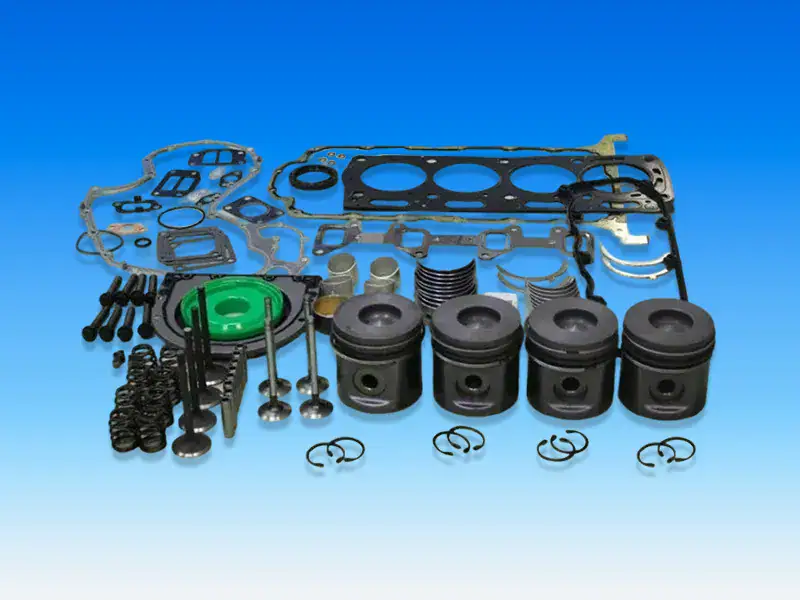
When rebuilding an engine, replacing only one failed part is often not enough. A complete diesel engine overhaul parts list typically includes:
-
piston kits
-
piston rings
-
cylinder liners
-
main bearings
-
connecting rod bearings
-
thrust washers
-
gasket set
-
oil seals
-
valve guides
-
intake and exhaust valves
-
valve seats
-
injector nozzles
-
oil pump
-
water pump
-
timing components
For many repair shops and fleet operators, overhaul kits reduce downtime and help restore factory-level performance.
At Holdwell, overhaul parts are commonly supplied for construction equipment, agricultural machinery, industrial engines, and power generation applications.
When to Replace Diesel Engine Spare Parts?
Replacing diesel engine spare parts should not wait until complete failure occurs. In most cases, engines provide warning signs when components begin to wear beyond acceptable limits. Persistent black, blue, or white smoke may indicate injector problems, oil burning, or compression loss. Knocking, tapping, whining, or turbo-related noise may point to wear in pistons, bearings, turbochargers, or valve train components.
A noticeable drop in power, slower throttle response, reduced fuel economy, or difficult starting often suggests declining efficiency in fuel delivery, air supply, or compression. Coolant leaks, oil leaks, and repeated overheating should always be investigated immediately, since continued operation under these conditions can lead to far more extensive engine damage.
Keep Your Diesel Engine Running Strong
Every diesel engine depends on the coordinated performance of its internal systems. Fuel delivery, compression, lubrication, cooling, and air management must all work together to maintain efficiency and durability. Understanding common failure points, recognizing early symptoms, and following disciplined maintenance practices can significantly reduce downtime and improve long-term operating value.
At Holdwell, we support global customers with dependable diesel engine spare parts, overhaul components, and technical solutions for diesel engines used across construction, agriculture, transportation, and industrial equipment.
Frequently Asked Questions
How does a diesel engine work?
Diesel engines operate on compression ignition — no spark plugs needed.
-
Intake: Only clean air enters the cylinder.
-
Compression: The piston compresses air to an extremely high ratio, heating it above 500°C — hot enough to ignite diesel fuel instantly.
-
Combustion: High‑pressure injectors spray atomized diesel into the hot compressed air. Fuel ignites immediately, pushing the piston downward with strong force.
-
Exhaust: Burned gases exit through the exhaust and aftertreatment system to reduce emissions.
This design delivers high low‑end torque, making diesel the ideal choice for tractors, telehandlers, loaders, and heavy equipment.
Which diesel engine parts wear out fastest?
Components exposed to high pressure, heat, and contamination usually wear fastest. These typically include fuel injectors, piston rings, filters, seals, and turbocharger bearings.
Do diesel engine parts affect fuel efficiency?
Yes. Worn injectors, restricted airflow, turbocharger inefficiency, and poor lubrication can all reduce combustion efficiency and increase fuel consumption.
Can I replace diesel engine parts myself?
Basic maintenance such as oil changes, filter replacement, and cooling system checks can often be performed in-house. However, components such as injectors, turbochargers, crankshafts, and internal engine parts usually require professional inspection and service.
How long can diesel engine parts last?
Service life depends on load, operating conditions, maintenance quality, and application type. With proper maintenance, diesel engines commonly deliver long operating life in demanding environments.