Engine valves are essential components that regulate the flow of air, fuel, and exhaust gases inside an engine. Whether in passenger cars or all-terrain vehicles (ATVs), valves operate in precise timing cycles to ensure efficient combustion and stable engine performance.
Understanding how engine valves work—and how they differ across applications—can help improve maintenance decisions, reduce downtime, and extend engine life.
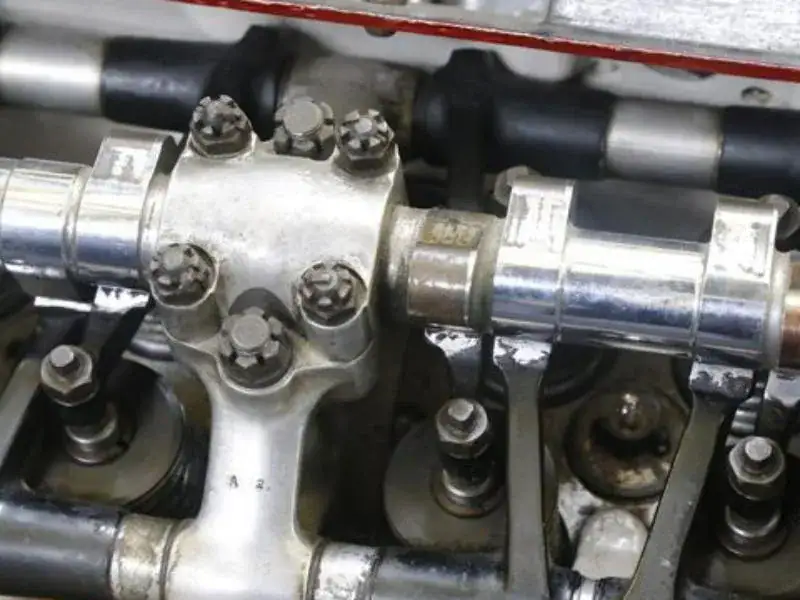
What are valves in a car?
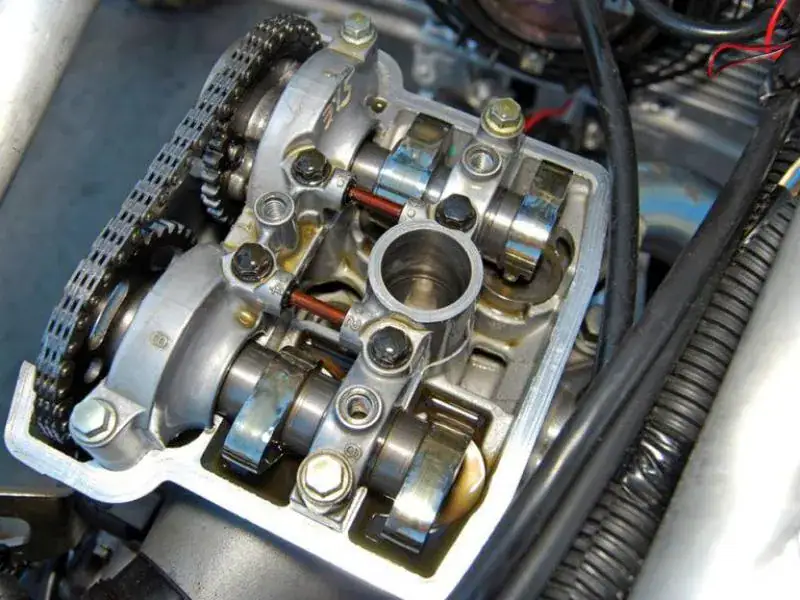
In a car engine, valves control the intake of the air-fuel mixture and the release of exhaust gases. They open and close at carefully timed intervals, enabling the combustion process that powers the engine.
Each cylinder typically contains at least two valves:
-
Intake valve allows the air-fuel mixture to enter the combustion chamber
-
Exhaust valve releases burnt gases after combustion
Modern automotive engines often use multi-valve designs, with four or more valves per cylinder. This improves airflow, enhances combustion efficiency, and increases overall engine power.
From a structural perspective, each valve consists of two main parts:
The valve stem, usually made from hardened steel for durability, and the valve head, designed to withstand extreme temperatures inside the combustion chamber, often using high-strength alloys such as titanium or heat-resistant steel.
What are the valves in all-terrain vehicles (ATVs)?
While the core function of valves in all-terrain vehicles is similar to that in cars, their design and operating conditions differ significantly.
ATVs typically operate in harsh environments, including dust, mud, uneven terrain, and frequent load changes. As a result, their engine valves must be:
-
More resistant to contamination and wear
-
Capable of handling rapid acceleration and deceleration
-
Designed for compact, high-revving engines
Most ATV engines also use intake and exhaust valves, but they are often optimized for torque and durability rather than high-speed performance. Efficient airflow is critical, especially in off-road conditions where consistent engine response is required.
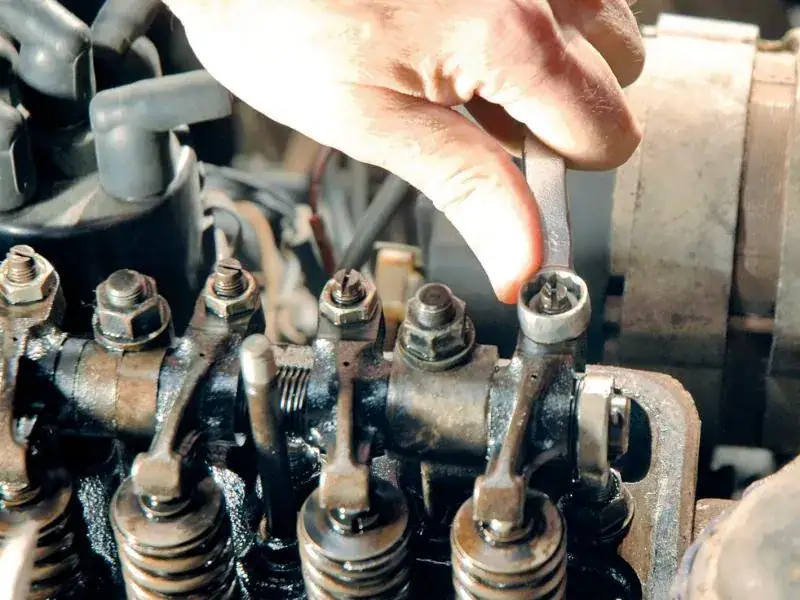
How valves influence engine torque?
Torque is the rotational force that allows an engine to deliver pulling power, especially at low speeds. For vehicles such as ATVs, tractors, and other off-road equipment, torque is often more important than top speed because it determines how well the machine can handle heavy loads, steep terrain, and rough conditions.
Engine valves can directly influence torque output by regulating the intake of the air-fuel mixture and the efficient release of exhaust gases.Proper airflow and precise valve timing ensure that each combustion cycle produces maximum force on the piston.
In all-terrain vehicles, valve systems are typically optimized for low-end and mid-range torque rather than high-speed performance. Intake valves are designed to improve airflow at lower RPMs, while exhaust valves help release gases quickly to maintain combustion efficiency. At the same time, valve timing is calibrated to deliver stable and consistent power under load.
In contrast, modern automotive engines often balance torque and high-speed power through advanced valve control technologies. Systems such as Variable Valve Timing (VVT) adjust valve timing based on engine speed, improving low-end torque while maintaining strong performance at higher RPMs. Some engines also use Variable Valve Lift (VVL) or dual overhead camshaft (DOHC) designs to further optimize airflow and responsiveness across a wider operating range.
While valve design and control significantly influence torque output, the torque loss is often caused by wear, sealing issues, or timing problems within the valve system.
Intake vs. exhaust valves: key differences
Although intake and exhaust valves share a similar structure, their functions and material requirements differ.
| Feature | Intake Valve | Exhaust Valve |
| Function | Allows air-fuel mixture into cylinder | Releases exhaust gases |
| Size | Typically larger | Slightly smaller |
| Operating Condition | Lower temperature | Extremely high temperature |
| Material Strength | Standard heat-resistant alloys | Enhanced heat resistance (often coated) |
Intake valves are generally larger to allow more air-fuel mixture into the cylinder, since intake flow requires more force. Exhaust valves, on the other hand, are exposed to extreme heat and are therefore made from tougher materials, sometimes with protective coatings such as Stellite to improve durability.
Common valve failures and what they mean
Over time, engine valves can fail due to heat, wear, or mechanical issues. The two most common types of valve failure are burned valves and bent valves.
A burned valve occurs when hot exhaust gases gradually erode the valve surface. This leads to poor sealing, loss of compression, reduced engine power, and increased wear on other components.
A bent valve typically occurs in interference engines, where the piston and valve occupy the same space at different times. If timing is off, they may collide, causing the valve to bend and resulting in serious engine damage.
In both cases, early detection and proper replacement are critical to avoid costly repairs.
Why valve quality matters?
When valves are worn, burned, or improperly sealed, torque output drops significantly. The engine may feel weak, struggle under load, or lose its ability to maintain steady power in demanding conditions.
Engine valves operate under extreme conditions, including high temperatures, pressure, and constant mechanical movement. Using high-quality components ensures:
-
Stable engine performance
-
Proper combustion efficiency
-
Reduced risk of failure
-
Longer service life
It is also important to replace related components such as valve seats, guides, seals, and springs to maintain system integrity.
Holdwell: reliable engine valves supplier
Holdwell provides a complete range of engine valves and related components for both automotive and off-road applications, including all-terrain vehicles.
Our product range includes:
-
Intake and exhaust valves
-
Valve seats, guides, and seals
-
Valve springs and retainers
-
Complete engine valve repair components
Designed for durability and performance, Holdwell parts are suitable for demanding environments where reliability is critical.
Conclusion
Engine valves play a fundamental role in both cars and all-terrain vehicles, directly affecting engine efficiency, power, and longevity. Whether you are maintaining a passenger vehicle or servicing off-road equipment, understanding valve function and selecting high-quality components is essential.
Proper inspection, timely replacement, and the use of reliable parts can help ensure consistent engine performance—even in the most demanding conditions.