A power take-off (PTO) clutch is an essential mechanical component in agricultural, industrial, and lawn care machinery, serving as a critical link between the engine and auxiliary equipment. Whether you operate a tractor, lawn mower, or construction machine, understanding how a PTO clutch works and its key specifications is vital for safe operation, maintenance, and troubleshooting. Below, we address six of the most common questions about PTO clutches to help you gain a comprehensive understanding.
What is a PTO clutch?
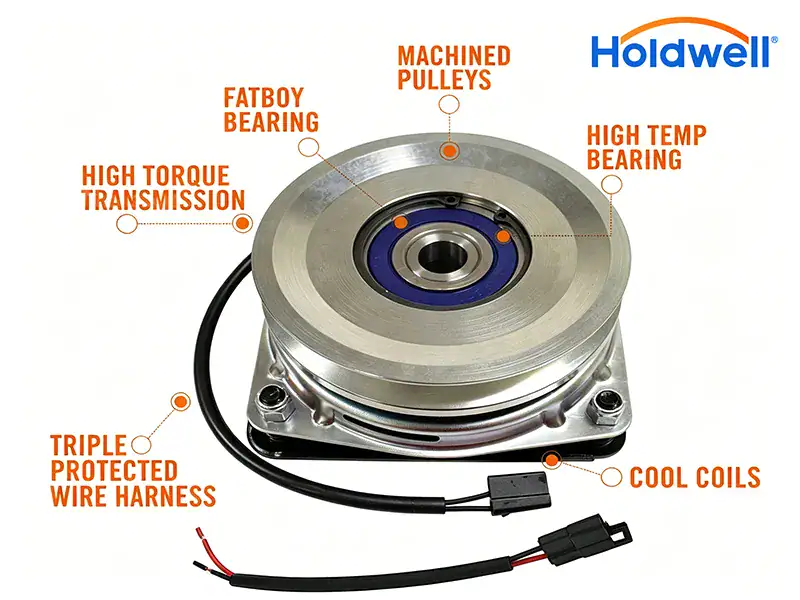
A PTO clutch, short for power take-off clutch, is a device that controls the transmission of power from a machine’s engine to auxiliary equipment (such as mower decks, snow blowers, tillers, or pumps) that cannot generate its own power. It acts as an on-off switch, allowing operators to engage or disengage power transfer without shutting down the engine. This functionality not only protects the engine and auxiliary tools from damage but also improves efficiency by reducing unnecessary power loss when the equipment is not in use.
PTO clutches are available in two main types: electric (most common in lawn mowers and small tractors) and mechanical (used in heavy-duty industrial and agricultural machinery).
Should a PTO clutch spin freely?
The answer depends on whether the clutch is engaged or disengaged.
When disengaged, most PTO clutches (especially electric models) should spin freely by hand, as the internal components are separated, and no power is being transferred. However, some mechanical PTO clutches may have slight resistance due to spring tension or brake mechanisms.
When engaged, the clutch should lock into place and spin with the engine, as the internal friction plates or electromagnetic force connect the engine’s power to the auxiliary equipment. If a disengaged PTO clutch does not spin freely, it may indicate issues such as insufficient voltage, worn brake components, debris buildup, or improper lubrication—all of which require inspection and repair.
How does a PTO clutch work?
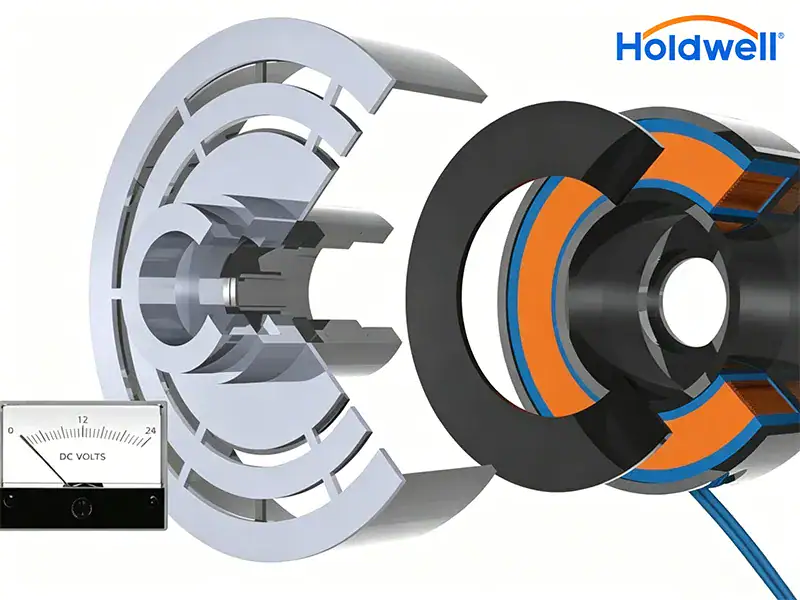
The working principle varies slightly between electric and mechanical PTO clutches, but both serve the same core purpose: controlling power transfer. Electric PTO clutches, the most common type in residential and light commercial equipment, use electromagnetic force.
When the operator activates the PTO switch, an electric current flows through a coil, creating a magnetic field that pulls the clutch plate (armature) against the rotor (connected to the engine crankshaft). This connection allows power to flow to the auxiliary equipment. When the switch is turned off, the current stops, and springs push the clutch plate away from the rotor, disconnecting power and stopping the equipment.
Mechanical PTO clutches, by contrast, use levers, cables, or hydraulic pressure to engage friction plates, transferring power through mechanical force rather than electricity.
How long does a PTO clutch last?
The lifespan of a PTO clutch depends on three key factors: quality, usage, and maintenance, with a typical operating range of 500 to 2,000 hours. High-quality clutches, when used properly and maintained regularly, can last up to 2,500 hours or more—some commercial lawn care operators report clutches lasting over 2,800 hours with proper care.
Conversely, low-quality clutches, frequent heavy loads, harsh operating conditions (extreme temperatures, debris), or improper engagement (e.g., engaging at full throttle) can reduce lifespan to as little as 250 to 500 hours. Regular maintenance, such as keeping the clutch clean, lubricating moving parts, and addressing issues promptly, is crucial for extending its life.
How many Amps does a PTO clutch draw?
Most electric PTO clutches draw between 3 to 5 amps when engaged, with a standard range of 4 amps for many residential and light commercial models. However, this can vary by clutch size, voltage (12V is standard), and manufacturer.
For example, a faulty clutch with a shorted coil may draw significantly more amps (13 to 20 amps), leading to overheating, fuse blowouts, or damage to the machine’s electrical system. If the amp draw is significantly above or below the manufacturer’s specification, it may indicate issues such as a shorted coil, faulty switch, or weak battery.
How many Ohms should a PTO clutch have?
The resistance (measured in ohms) of a PTO clutch coil depends on the model, but most electric PTO clutches have a resistance range of 2.4 to 3.5 ohms when measured at room temperature (70°F/21°C). For example, some Scag and Warner Electric models specify a range of 2.3 to 3.2 ohms, while Gravely models recommend 2.5 to 3.5 ohms. It’s critical to measure resistance when the clutch is cool, as heat increases resistance and skews readings.
A reading below or above this range indicates a faulty coil that needs replacement, as it may cause improper engagement or electrical system damage.
Conclusion
In summary, a PTO clutch is a vital component for powering auxiliary equipment, with its performance and lifespan dependent on proper use and maintenance. By understanding whether it should spin freely, how it works, and its key electrical specifications (amps and ohms), you can troubleshoot issues, extend its life, and ensure safe, efficient operation of your lawn mowers.