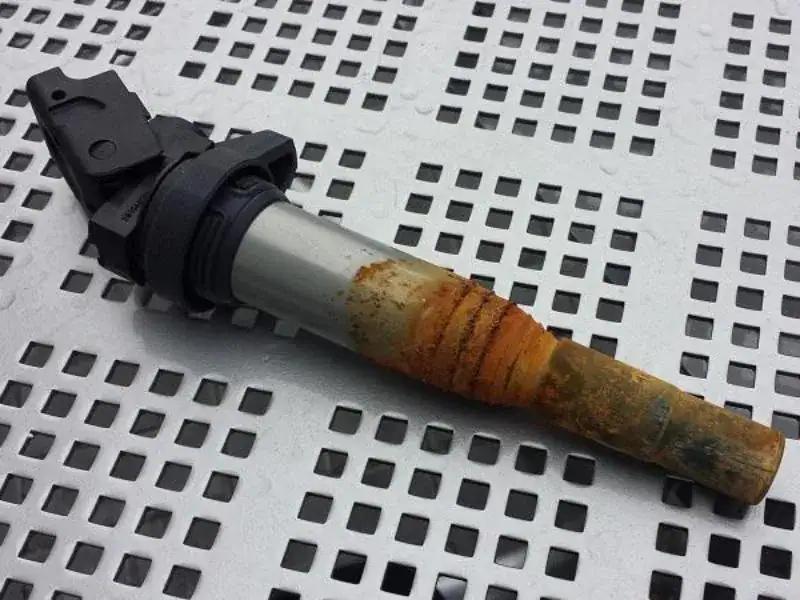
Engine ignition coils are responsible for generating the high-voltage spark that ignites the air-fuel mixture inside the engine. When they begin to fail, engine performance declines, fuel consumption increases, and in severe cases, operations may come to a halt.
Over time, ignition coils are exposed to heat, vibration, and electrical stress. It’s essential to know when to replace them—and how to identify early warning signs for maintaining engine reliability and avoiding costly repairs.
What are the signs of a bad ignition coil?
A broken ignition coil typically unveals itself through noticeable changes in engine behavior. What they all have in common is inconsistent combustion, which directly affects performance and efficiency.
5 Signs of a faulty ignition coil
-
It’s Hard to Start Your Engine A weak ignition coil may struggle to generate enough voltage for a strong spark. This often results in longer cranking times or difficulty starting, especially in cold conditions.
-
The Engine Fails to Start When the ignition coil completely fails, it can no longer ignite the air-fuel mixture. Hence, the engine may not start at all, leaving the vehicle or equipment inoperable.
-
Increased Fuel Consumption A faulty coil leads to incomplete combustion, forcing the engine to use more fuel to maintain performance. Over time, this results in noticeably reduced fuel efficiency and higher operating costs.
-
Reduced Acceleration and Power With inconsistent spark delivery, the engine cannot produce full power. This often shows up as sluggish acceleration, delayed throttle response, or overall reduced performance.
-
Engine Misfires and Rough Operation Misfires occur when one or more cylinders fail to ignite properly. This can cause jerking, vibration, rough idling, and unstable driving conditions, especially under load.
How often should ignition coils be replaced?
Ignition coils usually do not follow a strict replacement schedule, but practical conditions allow us to replace it for better performance.
|
Condition |
What to do with |
|
Normal usage |
Inspect every 60,000–100,000 miles |
|
Time-based aging |
Replace around every 5-7 years |
|
Harsh environments |
Inspect more frequently |
|
Repeated misfires |
Immediate replacement |
In high-load applications such as agricultural machinery or transport refrigeration units, ignition components tend to wear faster. Preventive replacement in these scenarios is often more cost-effective than reactive repairs.
Can I drive with a bad ignition coil?
Driving with a faulty ignition coil is technically possible, but it is not advisable from either a performance or maintenance perspective.
When a coil fails, the engine may continue running, but combustion becomes inefficient. This leads to increased fuel consumption, unstable power delivery, and continuous misfires. Over time, unburned fuel can enter the exhaust system, potentially damaging the catalytic converter.
For equipment used in commercial or industrial environments, this risk is even more critical. A minor ignition issue can escalate into unexpected downtime and higher repair costs.
Can I replace ignition coils myself?
Yes, certainly you can replace ignition coils yourself, especially on modern vehicles with coil-on-plug systems where each cylinder has its own independent coil. For standard engine layouts, this is a manageable task that can usually be completed with basic tools.
When you decide to replace it by yourself:
Before attempting a replacement, it’s important to confirm that the ignition coil is indeed the source of the problem. If your engine misfires, starts poorly, or shows other coil-related symptoms, and you’ve ruled out issues with spark plugs, wiring, or control modules, you can safely proceed with a DIY replacement.
However, for complex engine configurations or unclear failure causes, professional diagnosis is recommended to avoid unnecessary work or damage.
Preparation
Once you’ve determined that the ignition coil needs replacing, gather the necessary tools and components:
-
A new ignition coil
-
Screwdriver or socket set for removing fasteners
-
Dielectric grease to ensure proper electrical connection and protection
Make sure the engine is off and the battery is disconnected before starting. Preparing everything in advance will help the replacement go smoothly and safely.
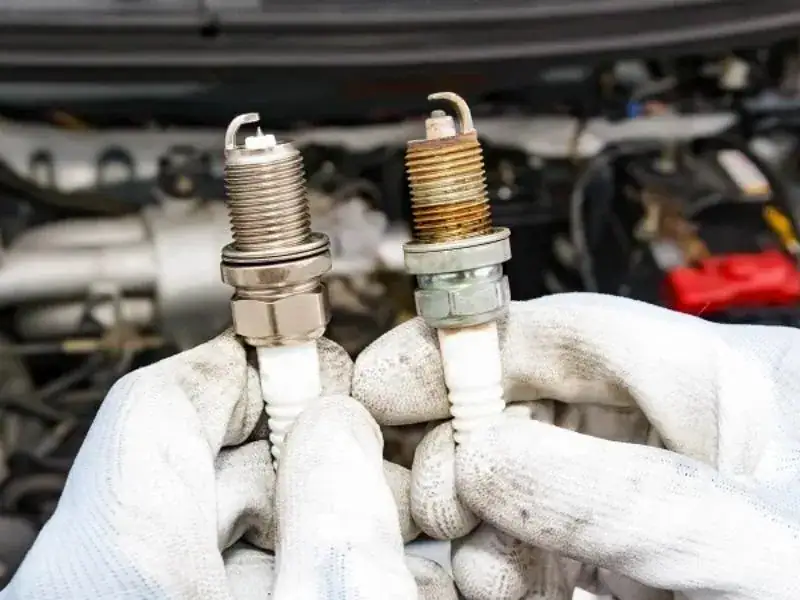
Steps to replace ignition coil
Step 1: Remove the old ignition coil
After disconnecting all electrical connections, remove the fasteners securing the ignition coil in place. Then, gently take out the old coil from its mounting position.
Attention:
Vehicles manufactured in the 1980s or earlier may use a large band clamp around a cylindrical coil instead of standard bolts.
Step 2: Install the new ignition coil
Position the new ignition coil in place and secure it using the appropriate fasteners. If new hardware is included with the replacement coil, it is recommended to use those for proper fit and reliability.
Reconnect the wiring harness carefully, ensuring all connections are firm and properly aligned.
Step 3: Final connections
Apply a small amount of dielectric grease to the ignition coil lead to improve conductivity and protect against moisture. Then reconnect the coil lead securely.
Finally, reconnect the battery and check that everything is properly installed before starting the engine.
Additional tips
Some ignition systems may require extra steps depending on the vehicle design. For example, if your vehicle uses a high-energy ignition (HEI) in-cap coil, the replacement process may take slightly longer.
On vehicles with a distributor, you may also need to remove the distributor cap to access the ignition coil.
Why timely replacement matters for ignition system?
Replacing ignition coils at the right time is not just about fixing a problem—it is about maintaining overall engine efficiency and reliability.
-
Stable ignition performance; smooth engine operation
-
Improved combustion; better fuel efficiency
-
Reduced system stress; longer component lifespan
-
Preventive maintenance; lower long-term costs
Consistent spark delivery ensures that the engine operates as designed, minimizing performance fluctuations and avoiding unnecessary wear.
Should I change spark plugs and coils at the same time?
When maintaining the ignition system, a common question is whether spark plugs and ignition coils should always be replaced together. While these components work closely to deliver proper combustion, they do not necessarily wear out at the same rate.
Under most circumstances, it is not required to replace all ignition coils when changing spark plugs. If a misfire is traced to a specific cylinder and the spark plugs are still in good condition, replacing only the faulty ignition coil is often sufficient. This targeted approach helps reduce unnecessary costs while resolving the issue effectively.
However, if both the spark plugs and coils show signs of wear—such as high mileage, poor performance, or repeated misfires—replacing them together can improve overall ignition efficiency and prevent future issues. This is especially true in preventive maintenance scenarios where long-term reliability is a priority.
Overall, the decision should be based on actual condition rather than routine replacement. A proper inspection ensures that only the necessary components are replaced, balancing performance, cost, and maintenance efficiency.
Upgrade your ignition system with Holdwell
At Holdwell, we understand how critical ignition components are to engine performance across agricultural, industrial, and transport applications.
We offer a wide range of:
-
High-quality ignition coils, spark plugs
-
Durable ignition system components
-
Reliable aftermarket replacement parts
Whether you’re engine maintaining or performing repairs, it‘s important to choose the right parts that ensures long-term reliability and performance.
Conclusion
Ignition coil issues often start small but can quickly develop into larger performance problems. Recognizing early symptoms and following a proper replacement schedule helps maintain engine stability and efficiency.
If your engine is experiencing misfires, reduced power, or poor fuel economy, it may be time to inspect and replace your ignition coils.