The engine air filter is one of the most overlooked maintenance components in a vehicle or piece of equipment. Because it is inexpensive and relatively easy to replace, many operators underestimate its importance. However, a dirty engine air filter can gradually affect engine performance, fuel efficiency, emissions, and even trigger warning lights.
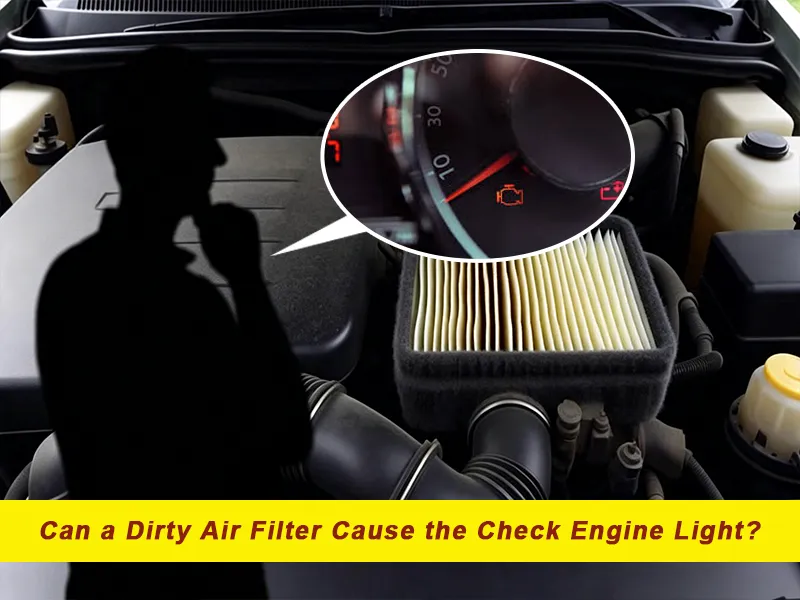
If you’ve noticed reduced power, poor fuel economy, rough engine operation, or you’re wondering, “Can a dirty air filter cause the check engine light?”, the answer may be yes.
In this guide, Holdwell explains the most common symptoms of a bad engine air filter, what causes filter contamination, and why timely replacement is essential for protecting engine performance and longevity.
What Does an Engine Air Filter Do?
Before discussing the symptoms, it’s important to understand the role of the engine air filter.
An engine requires three basic elements to produce power:
-
Air
-
Fuel
-
Ignition
The air filter is responsible for cleaning incoming air before it enters the combustion chamber. As air passes through the intake system, the filter captures dust, dirt, sand, insects, and other airborne contaminants that could otherwise damage internal engine components.
A clean air filter allows the engine to receive the airflow needed for efficient combustion. When the filter becomes dirty or clogged, airflow is restricted, disrupting the engine’s air-fuel balance and reducing overall performance.
What Causes a Dirty Engine Air Filter?
Engine air filters naturally accumulate contaminants over time. The rate of contamination depends on operating conditions.
Common causes include:
-
Driving on dusty roads
-
Construction site operation
-
Agricultural environments
-
Off-road applications
-
Heavy traffic conditions
-
Seasonal pollen accumulation
-
Extended service intervals
Vehicles and equipment operating in harsh environments often require more frequent filter inspections than those used under normal driving conditions.
Symptoms of a Bad Engine Air Filter
Recognizing the early warning signs can help prevent unnecessary engine wear and performance issues.
1. Reduced Engine Performance
One of the most common clogged engine air filter symptoms is a noticeable reduction in engine power.
When airflow becomes restricted, the engine cannot receive sufficient oxygen for efficient combustion. As a result, acceleration may feel sluggish and throttle response may become less responsive.
Drivers often notice:
-
Slower acceleration
-
Reduced horsepower
-
Poor throttle response
-
Difficulty maintaining speed under load
This symptom is especially noticeable during highway merging, towing, or climbing hills.
2. Poor Fuel Economy
A dirty engine air filter can negatively impact fuel efficiency.
Modern engines continuously monitor airflow through sensors and adjust fuel delivery accordingly. When airflow decreases due to a clogged filter, combustion efficiency suffers.
In some situations, the engine management system compensates by altering fuel injection parameters, which may increase fuel consumption.
If you find yourself visiting the fuel station more frequently without changes in driving habits, a dirty air filter may be contributing to the problem.
3. Check Engine Light Illumination
One of the most frequently asked questions is:
Can a Dirty Air Filter Cause the Check Engine Light?
Yes, it can.
While a dirty air filter does not directly trigger the warning light, severe airflow restrictions can create operating conditions that cause the engine control module (ECM) to detect abnormalities.
Modern vehicles rely on sensors such as:
-
Mass Air Flow (MAF) sensors
-
Oxygen sensors
-
Intake air temperature sensors
When airflow readings fall outside expected parameters, the ECM may store diagnostic trouble codes and illuminate the check engine light.
Common issues associated with a severely clogged air filter include:
-
Air-fuel mixture imbalance
-
Sensor performance errors
-
Misfire conditions
-
Reduced combustion efficiency
Although many factors can activate a check engine light, inspecting the air filter should always be part of the diagnostic process.
4. Black Smoke from the Exhaust
Another symptom of a dirty engine air filter is black exhaust smoke.
Restricted airflow can lead to incomplete combustion. When fuel is not burned efficiently, excess carbon particles may exit through the exhaust system as dark smoke.
This symptom may indicate:
-
Rich fuel mixture
-
Poor combustion efficiency
-
Increased emissions
If left unresolved, excessive carbon buildup can affect spark plugs, oxygen sensors, and catalytic converters.
5. Rough Idle or Engine Misfires
An engine requires a stable balance of air and fuel to maintain smooth operation.
A heavily clogged filter can disrupt this balance, leading to:
-
Rough idle
-
Engine hesitation
-
Intermittent misfires
-
Irregular engine operation
While these symptoms can also result from ignition or fuel system problems, a restricted air filter should never be overlooked during troubleshooting.
6. Unusual Engine Sounds
When airflow becomes restricted, the intake system may produce abnormal sounds.
Some drivers report:
-
Increased intake noise
-
Sputtering sounds
-
Coughing during acceleration
These noises often occur because the engine is working harder to draw air through the restricted filter media.
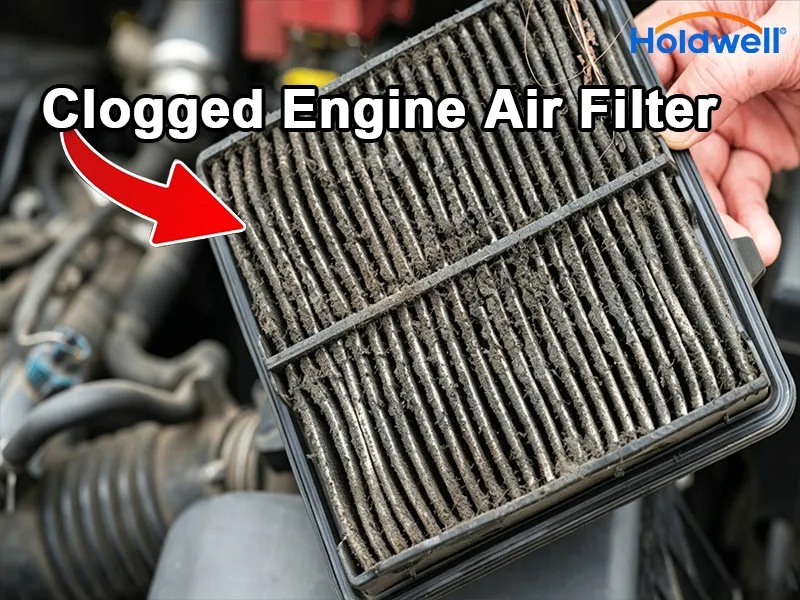
7. Excessive Filter Contamination
Sometimes the easiest symptom to identify is visual inspection.
A healthy air filter typically appears off-white or light-colored.
A dirty engine air filter may show:
-
Heavy dust accumulation
-
Dark discoloration
-
Debris buildup
-
Insect contamination
-
Oil contamination
If the filter appears heavily clogged or damaged, replacement is usually recommended.
Common Symptoms of a Clogged Engine Air Filter
- Sluggish acceleration and dull throttle response
- Noticeable drop in highway and city fuel economy
- Louder intake sucking noise under hard acceleration
- Rough idle and uneven engine running
- Triggered check engine light from skewed MAF sensor reading
- Elevated black exhaust smoke on diesel platforms
For fleets operating on unpaved construction sites, farm fields or rugged off-road terrain, monthly visual inspections are critical to avoid accelerated engine degradation.
How to check an engine air filter?
Step 1: Locate the Engine Air Filter Housing
Before inspecting the filter, you need to find it.
In most vehicles and equipment, the engine air filter is housed inside a plastic or metal air cleaner assembly connected to the engine intake system.
Common locations include:
-
Near the top of the engine compartment
-
Inside a cylindrical air cleaner housing on heavy equipment
-
Along the intake duct between the engine and air intake
-
Under a removable cover secured by clips, screws, or latches
Always refer to the equipment’s service manual if you’re unsure of the filter location.
Step 2: Remove the Air Filter
Once you’ve located the housing:
-
Turn off the engine.
-
Release the retaining clips or remove the fasteners.
-
Carefully open the air cleaner housing.
-
Remove the filter element.
Avoid knocking dirt into the intake system during removal.
Step 3: Perform a Visual Inspection
The easiest way to check an engine air filter is with a visual inspection.
Look for:
Excessive dirt build-up
A clean filter will typically appear light in color with visible filter media.
A dirty filter may show:
-
Dark gray or black discoloration
-
Heavy dust accumulation
-
Embedded dirt particles
-
Caked-on debris
If the filter surface is heavily coated with dirt, replacement is usually recommended.
Blocked pleats
Inspect the filter pleats carefully.
If the pleats are filled with dust or debris and airflow passages are no longer visible, the filter is becoming restricted.
Damage or tears
Check for:
-
Torn filter media
-
Holes
-
Cracks
-
Separated seals
-
Collapsed pleats
Even a small tear can allow unfiltered air to enter the engine, potentially causing internal damage.
Step 4: Use the Light Test
One simple method is the “light test.”
Hold the filter up toward a bright light source.
A healthy filter should allow some light to pass through the pleats.
If little or no light passes through, the filter may be excessively clogged and ready for replacement.
Keep in mind that heavy-duty equipment filters are often thicker than automotive filters, so some restriction of light is normal.
Step 5: Check for Dust in the Clean Side
Inspect the clean side of the air cleaner housing—the side located after the filter.
If you notice dust or dirt inside this section, it may indicate:
-
A damaged filter
-
Poor sealing
-
Improper installation
-
Housing damage
The clean side should remain relatively free of contaminants.
Step 6: Check the Filter Restriction Indicator
Many construction machines, agricultural tractors, generators, and heavy-duty diesel engines use a filter restriction indicator.
This device measures intake restriction and alerts operators when the filter becomes clogged.
Common indicators include:
-
Mechanical gauges
-
Color indicators
-
Dashboard warning lights
-
Electronic monitoring systems
If the restriction indicator shows excessive restriction, inspect the filter and replace it if necessary.
Can Driving with a Dirty Air Filter Damage the Engine?
A mildly dirty air filter will not immediately damage an engine.
However, prolonged operation with a severely clogged filter can contribute to:
-
Reduced engine efficiency
-
Increased fuel consumption
-
Carbon deposits
-
Higher emissions
-
Premature sensor wear
-
Reduced engine performance
In extreme cases, damaged filter media may allow contaminants to bypass filtration and enter the engine, increasing internal wear over time.
Replacing an air filter is significantly less expensive than repairing engine components affected by poor filtration.
Conclusion
The symptoms of a bad engine air filter often develop gradually, making them easy to overlook. Reduced power, poor fuel economy, rough operation, black exhaust smoke, and check engine light activation can all indicate that airflow is being restricted by a dirty filter.
Because clean air is essential for efficient combustion, maintaining the engine air filter is one of the simplest and most cost-effective ways to support engine performance and longevity.
At Holdwell, we understand that reliable filtration plays a critical role in protecting engines across automotive, agricultural, construction, and industrial applications. Regular air filter inspection and timely replacement can help maximize equipment uptime, improve efficiency, and reduce long-term maintenance costs.