Telehandlers, also referred to as telescopic handlers, are indispensable equipment across the construction sector. They perfectly combine lifting height, forward reach and load-bearing capacity to deliver versatile on-site performance. Whether moving heavy materials or positioning supplies at high elevations, telehandlers are a common sight on construction sites of all scales.
Yet key factors including operating performance, operational safety and service life all hinge on routine upkeep. Neglecting proper maintenance will not only cause mechanical failures, but also result in work stoppages, revenue losses and potential safety hazards.
Why Telehandler Maintenance Matters
A well-maintained telehandler delivers:
-
Consistent lifting power and stability
-
Lower fuel consumption
-
Fewer unexpected breakdowns
-
Longer service life
On the other hand, neglecting maintenance often leads to hydraulic failures, engine issues, and costly repairs. In many cases, small issues—like a worn hose or low fluid level—are what eventually cause major failures.
Daily Pre-Operation Checks
Before starting your telehandler, a quick 10–15 minute inspection can prevent serious breakdowns and save hours—or even days—of downtime. It’s a simple routine, but it plays a huge role in keeping the machine safe and reliable.
Fluid Levels
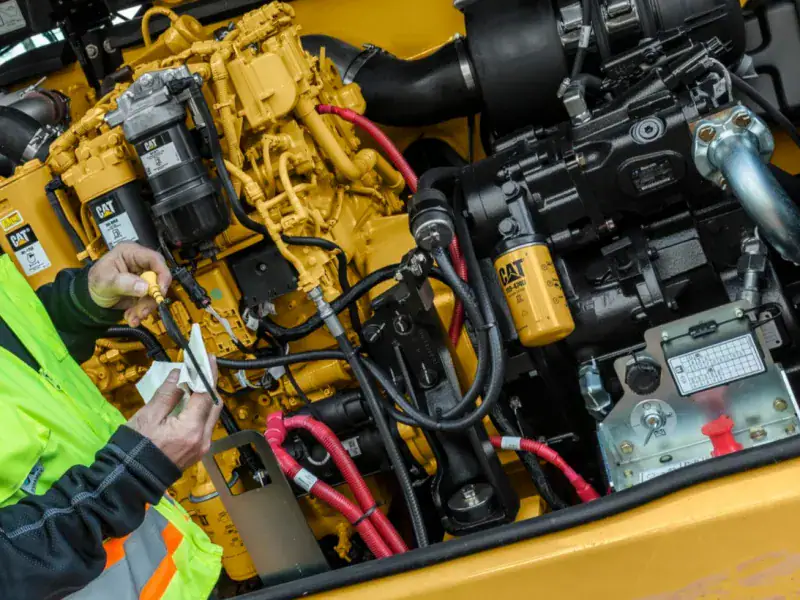
Start by checking all essential fluids, including engine oil, coolant, hydraulic fluid, and brake fluid. Low or dirty fluids can quickly affect performance and lead to internal damage if ignored.
Visual Inspection
Walk around the telehandler and do a basic visual check. Look for oil leaks, cracks in the structure, and any loose bolts or fittings. These small signs often point to bigger issues developing underneath.
Tires
Inspect tires for cuts, uneven wear, or low pressure. Uneven wear is often a warning sign of alignment issues or improper load handling, which should be corrected early.
Hydraulic Hoses
Check all hydraulic hoses for cracks, leaks, or bulging. Since these systems operate under high pressure, even minor damage can quickly turn into a major failure.
Attachments & Connections
Make sure all attachments are properly locked in place. Also inspect them for wear, looseness, or damage that could affect stability during operation.
Safety Features
Test all safety-related components, including lights, alarms, mirrors, brakes, steering response, and the Load Stability Indicator (LSI). If anything feels unusual, the machine should not be used until the issue is resolved.
3 Common Telehandler Problems
Even with proper maintenance, telehandlers will still experience wear over time. Most issues come from three key systems: hydraulics, engine, and electrical. Identifying problems early helps avoid costly downtime.
Hydraulic System Issues
The hydraulic system directly affects lifting performance and overall efficiency. Common problems include leaks from worn seals or hoses, and power loss caused by low fluid, air contamination, or a failing pump.
To prevent this, regularly check fluid levels, replace worn components in time, and keep the system clean. If ignored, hydraulic issues can quickly lead to slow operation or complete failure.
Engine Problems
Engine issues usually show up as hard starting, excessive exhaust smoke, or reduced power. These are often caused by dirty fuel filters, weak batteries, or improper coolant and oil levels.
Routine maintenance is key—replace filters on schedule, monitor fluids, and keep the battery in good condition to maintain stable performance.
Electrical System Failures
Electrical problems can stop the machine entirely and are often caused by corroded battery terminals, damaged wiring, or faulty switches.
Regularly clean battery connections, inspect wiring, and replace damaged parts early. This helps prevent sudden failures and keeps the telehandler running reliably.
Key Components That Require Regular Attention
Boom and Wear Pads
The boom is what makes a telehandler unique—and it’s also one of the most stressed components.
-
Inspect for cracks or abnormal wear
-
Check wear pads and chains
-
Lubricate regularly to reduce friction
Neglecting the boom can lead to reduced lifting precision and safety risks.
Brake System
Brake failure is one of the most dangerous issues.
Check regularly for:
-
Worn brake pads
-
Low brake fluid
-
Damaged brake lines
A small issue here can quickly turn into a serious safety hazard.
Cooling System
Overheating is a common cause of engine failure.
-
Clean the radiator frequently
-
Check coolant levels
-
Inspect hoses and fans
Dust and debris buildup can block airflow and reduce cooling efficiency.
Filters (Oil, Air, Fuel)
Filters are inexpensive—but critical.
-
Replace every 6–12 months (or per manual)
-
Monitor fluid levels to prevent cavitation, ensuring consistent power.
-
Dirty filters reduce efficiency and increase wear
Recommended Telehandler Maintenance Schedule
|
Cycle |
Frequency (8h/day Operation) |
Maintenance |
|
Every day |
Daily |
|
|
Every 50 Hours |
Weekly |
|
|
Every 250 Hours |
Monthly |
|
|
Every 500 Hours |
Every 2 months |
|
|
Every 1000 Hours |
Every 4 months |
|
In practical operation, this schedule helps you translate service intervals into a more intuitive timeline. For example, lubrication every 50 hours roughly means weekly maintenance, while 250-hour service aligns with monthly checks. Larger service intervals like 500 and 1000 hours can be treated as bi-monthly and quarterly maintenance milestones.
Keep in mind that these are general estimates based on an average 8-hour workday. If your telehandler operates under heavier loads or longer daily hours, the maintenance frequency should be adjusted accordingly. Always refer to the manufacturer’s manual for precise service intervals and requirements.
Seasonal Maintenance Tips
Cold Weather (Winter)
Cold conditions affect both performance and safety.
-
Use winter-grade oil and fuel
-
Check battery performance (cold reduces capacity)
-
Ensure tires have proper traction
-
Inspect hydraulic fluid (can thicken in low temperatures)
Hot Weather (Summer)
Heat increases the risk of overheating and component wear.
-
Keep radiator and cooling system clean
-
Monitor fluid levels closely
-
Inspect hoses for heat-related wear
-
Ensure proper airflow around the engine
Don’t Forget Attachments
Attachments work just as hard as the telehandler itself.
-
Inspect for cracks or loose bolts
-
Check hydraulic connections
-
Perform maintenance every ~100 hours
Well-maintained attachments improve efficiency and reduce strain on the machine.
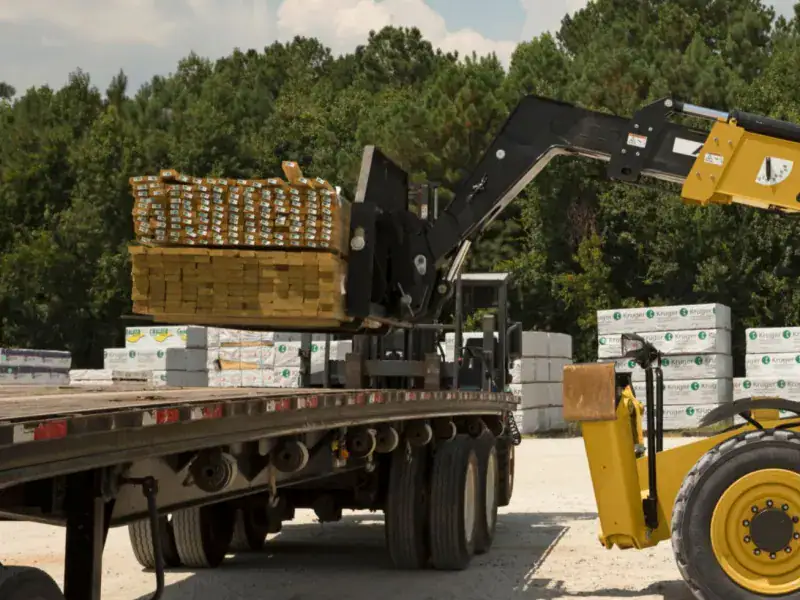
The Smart Investment For Telehandlers Maintenance
For operators and fleet managers, the real challenge is not just maintenance planning—it’s having reliable parts when something needs to be replaced. That’s exactly where Holdwell fits in.
At Holdwell, we focus on supplying critical telehandler components that directly affect uptime and performance. From hydraulic pumps, hoses, and seals to engine filters, cooling system parts, and electrical components, our parts are designed to support the most failure-prone areas identified in real-world maintenance routines. In other words, we don’t just sell parts—we help you solve the exact problems that keep telehandlers off the job.
If your aim to reduce downtime, stabilize performance, and avoid unexpected breakdowns, maintenance is only half the equation. The other half is having dependable replacement parts ready when you need them. With the right routine—and the right components from Holdwell—your telehandler can stay working harder, longer, and more efficiently in any environment.
Conclusion
Preventive telehandler maintenance is one of the most effective ways to control long-term equipment costs. Instead of waiting for failures to happen, you’re constantly catching early warning signs—like slight hydraulic leaks, filter blockage, or electrical wear—before they turn into expensive breakdowns. In real operation, this means less downtime, fewer emergency repairs, and a much longer service life for your telehandler.
When you think about it, most major failures don’t happen suddenly. They usually start small: a slightly worn hose, a clogged filter, or a weak battery connection. That’s why a consistent maintenance routine—daily checks, scheduled servicing, and seasonal inspections—makes such a big difference.