About Cummins 5.9L diesel engine
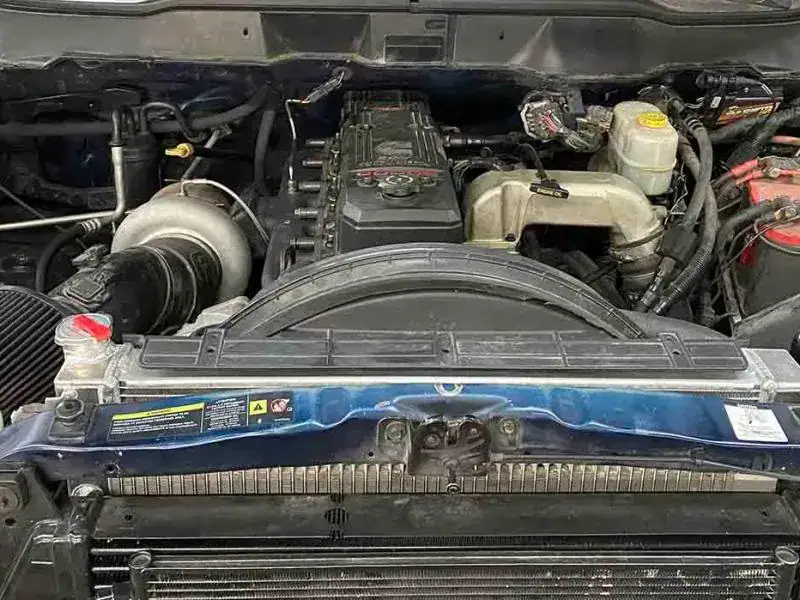
The Cummins 5.9L diesel engine is widely regarded as one of the most iconic powerplants in the diesel industry. The engine was first introduced in 1989, featuring a 12-valve, single turbocharged design that delivered stable and dependable power by the standards of its time. Compared with earlier 6BT engines used in Dodge and Ram trucks, the 5.9L version represented a significant improvement in overall performance, serviceability, and long-term operational stability.
As market demand for higher power and improved efficiency increased, Cummins implemented a major upgrade in 1994 by introducing the Bosch P7100 mechanical injection pump. In 1998, the Cummins 5.9L engine evolved once again with the introduction of a 24-valve cylinder head design. The four-valve-per-cylinder configuration significantly enhanced airflow and combustion efficiency, improving power delivery while maintaining smooth operation and durability under heavy loads and extended duty cycles.
Although production of the 5.9L Cummins engine ended in 2007, when it was replaced by the 6.7L Cummins to meet stricter emissions regulations, the 5.9L platform remains highly active in the engine rebuild, performance upgrade, and aftermarket parts markets. Its proven mechanical architecture, relatively low level of electronic complexity, and exceptional modification potential continue to make it a preferred choice among diesel enthusiasts and professionals.
As these engines age, many Cummins 5.9L units face performance degradation, component wear, or increased operational demands. In this context, selecting the right engine parts and performance upgrade strategies—while maintaining reliability—has become a central concern for engine rebuilders, performance specialists, and aftermarket parts suppliers alike.
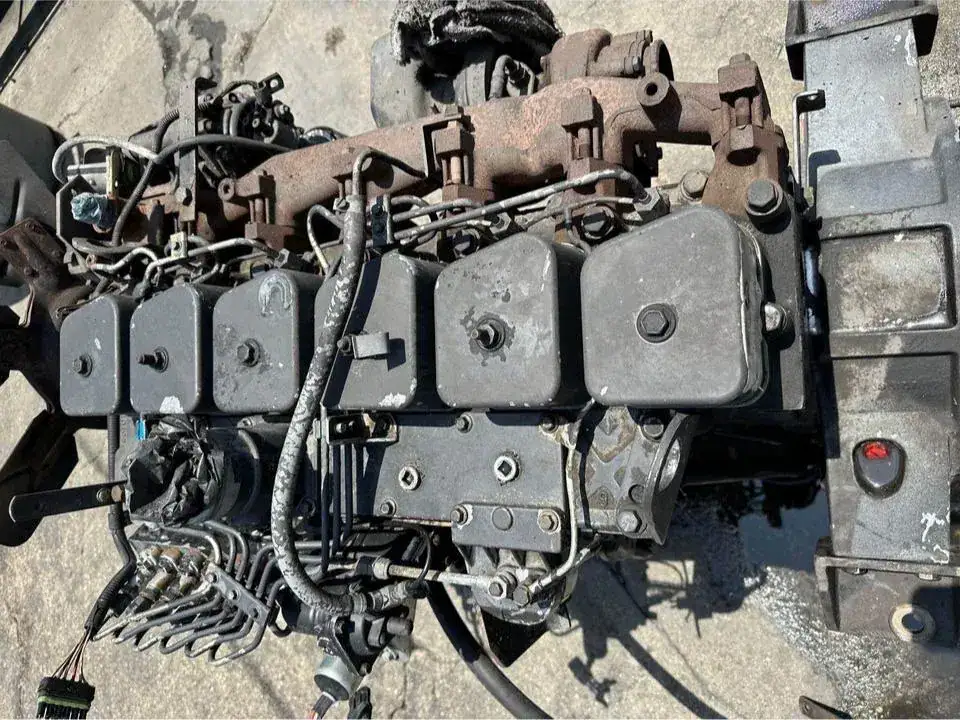
5.9L is structurally fixed
The displacement of the Cummins 5.9L diesel engine—5.9 liters (359 cubic inches)—is determined by cylinder bore, crankshaft stroke, and cylinder count. With a 6-cylinder inline (L6) layout, a 102 mm bore, and a 120 mm stroke, the displacement is essentially fixed once the engine block and crankshaft are designed.
Because of this, major structural components are rarely replaced during a Cummins 5.9 rebuild. Instead, rebuild activity focuses on wear-related components that interact directly with the engine block and crankshaft.
High-demand Cummins 5.9 engine rebuild parts related to displacement include:
-
cylinder liners
-
main bearings
-
sealing components
These parts are replaced consistently during overhauls, making them core items in the Cummins 5.9 aftermarket parts market.
Bore size and cylinder design for load, not frequent modification
The 102 mm bore of the Cummins 5.9L diesel engine is a result of its heavy-duty engine block design. Thick cylinder walls, reinforced block structure, and optimized cooling passages allow the engine to handle high boost pressure and sustained combustion loads.
Unlike lighter-duty engines, the Cummins 5.9 is not typically over-bored for performance gains. Instead, bore-related service focuses on restoring factory tolerances.
As a result, the best parts for Cummins 6BT5.9 rebuild projects in this area include:
-
standard or oversized cylinder liners
-
piston ring sets
-
head gaskets
These components are frequently replaced in both stock rebuilds and performance-oriented builds.
Long stroke design and high torque characteristics
A defining feature of the Cummins 5.9 high torque diesel engine is its long 120 mm stroke. Stroke length is determined by crankshaft geometry, and changing it would require replacing the crankshaft—something rarely done outside of extreme custom builds.
However, long-stroke operation places continuous stress on rotating components, especially under increased fueling and boost.
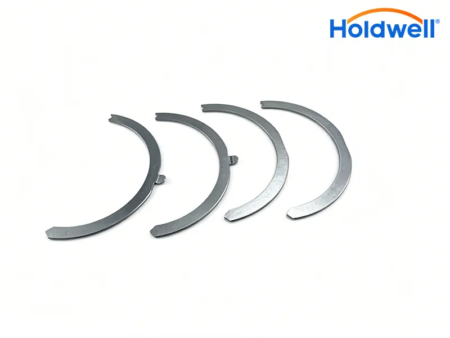
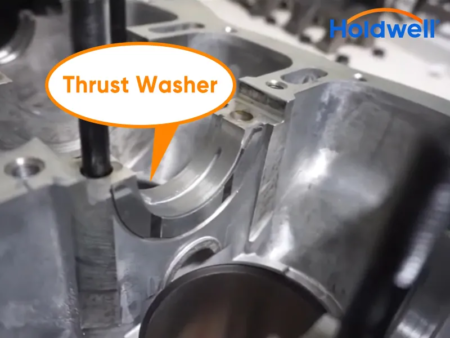
Connecting rod bearings, main bearings, and thrust bearings are almost always replaced. These components are inexpensive compared to major engine parts but are critical to maintaining reliability in both stock and upgraded engines.
Compression ratio and combustion design
The Cummins 5.9 operates at a compression ratio of approximately 17.2:1, which is not controlled by a single component. Instead, it is the result of piston crown design, cylinder head combustion chamber geometry, connecting rod length, and head gasket thickness.
Among these, pistons and head gaskets have the greatest influence during service and upgrades. High combustion pressure and thermal load mean that Cummins 5.9 piston and bearing replacement is common in high-mileage engines or performance builds.
Common Cummins 5.9 engine rebuild parts in this category include:
-
pistons
-
piston rings
-
multi-layer steel head gasket
-
valve stem seals
Fuel system and the Bosch P7100 injection pump
One of the most important reasons the Cummins 5.9 engine is so popular for performance upgrades is its fuel system—particularly versions equipped with the Bosch P7100 injection pump.
The P7100 is a fully mechanical inline pump known for its reliability and tuning flexibility. Fuel delivery directly determines power output, which makes fuel system components the most frequently modified parts in Cummins 5.9 performance upgrades.
High-demand performance parts in the fuel system include:
-
injector nozzles
-
complete injectors
-
lift pumps
-
fuel filters
-
P7100 service components
It is common for the same engine to go through multiple injector or nozzle changes as performance goals evolve.
Horsepower output and performance upgrades
Factory configurations of the Cummins 5.9L diesel engine typically produce between 235 and 325 horsepower, with significantly higher output possible through aftermarket upgrades.
Horsepower gains depend on a balanced combination of fuel delivery, airflow, valve timing, and engine strength. Because many builds progress in stages, several Cummins 5.9 performance parts are upgraded more than once over the engine’s life.
Common upgrades include:
-
turbochargers
-
Cummins 5.9 turbo upgrade parts
-
turbo repair kits
-
intercooler piping
-
camshafts
-
intake and exhaust valves
Torque output and lower engine durability
The strong torque output of the Cummins 5.9 high torque diesel engine is a direct result of its long stroke, high compression ratio, and turbocharged combustion process. While torque is a major advantage, it also places sustained stress on lower engine components.
As torque increases, durability-related Cummins 5.9 engine parts such as connecting rods, bearings, pistons, crankshaft seals, and high-temperature turbo components become critical to long-term reliability.

Conclusion: Why Cummins 5.9 parts remain in high demand?
The long-term popularity of the Cummins 5.9 engine is built on its robust mechanical design and predictable performance behavior. While major structural components rarely change, a wide range of wear parts and Cummins 5.9 aftermarket parts are replaced repeatedly throughout the engine’s service life.
For engine builders, repair professionals, and distributors, the most consistent demand lies in pistons, bearings, liners, gasket kits, fuel system components, and turbo-related parts. Understanding how these components relate to engine structure and performance is essential when planning a Cummins 5.9 rebuild or selecting parts for performance upgrades.