Why does the engine cylinder head gasket matter?
Generally speaking, this question is basically the same as asking: “Why is the cylinder head gasket critical for your engine?”
Because without it, your engine simply can’t function the way it’s supposed to.
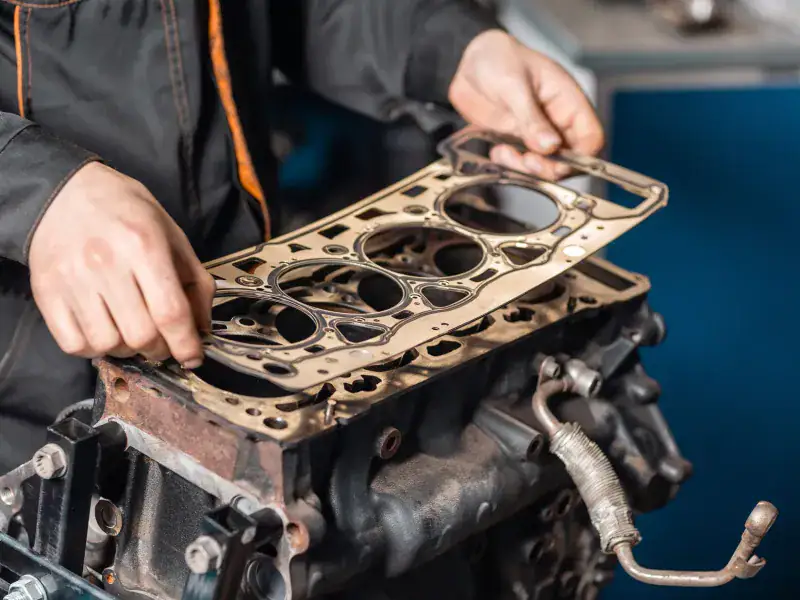
The cylinder head gasket is one of the most critical sealing components for any internal combustion engine. It loactes between the engine block and the cylinder head, ensuring a tight seal that allows combustion, lubrication, and cooling systems to function in harmony.
In demanding applications such as forklifts, telehandlers, construction machinery, and agricultural equipment, the head gasket must withstand extreme pressure and temperature cycles. A failure in this component can quickly escalate into severe engine damage, costly downtime, and expensive repairs.
At Holdwell, we understand that reliable sealing components are essential for maintaining engine performance and lifespan. That’s why we supply durable, precision-engineered engine gasket solutions designed for heavy-duty applications.
What is a cylinder head gasket?
The head gasket seals multiple critical passages between the engine block and cylinder head, including the combustion chambers, coolant channels, and oil passages. It acts as a barrier that keeps these systems separated while allowing the engine to operate as a unified system.
By maintaining this seal, it prevents coolant from leaking into the cylinders, avoids oil contamination, and ensures stable compression pressure for efficient engine performance.
Material evolution
Nowadays, modern engines typically use Multi-Layer Steel (MLS) head gaskets, which feature:
-
2–5 layers of stainless steel
-
Elastomer (rubber) coatings for improved sealing
-
High resistance to heat and pressure
Compared to older composite or copper designs, MLS gaskets provide:
-
Better durability
-
Higher sealing efficiency
-
Longer service life
When to replace a cylinder head gasket?
Even the most durable gasket will eventually wear out under continuous thermal stress and pressure cycles.
Symptoms of a blown head gasket
Recognizing the early signs of a blown head gasket is critical to preventing severe engine damage and costly downtime. Below are the most common warning symptoms to watch for:
-
Engine Overheating
A failing head gasket can cause coolant loss, reducing the system’s ability to dissipate heat effectively and leading to frequent or persistent overheating.
-
Unexplained Coolant Loss
If coolant levels drop without any visible external leaks, it may be leaking internally into the cylinders through a damaged gasket.
-
Bubbles in Radiator or Reservoir
The presence of bubbles in the cooling system often indicates that combustion gases are escaping into the coolant, a classic sign of gasket failure.
-
Loss of Engine Power
A compromised seal can reduce compression in the combustion chamber, resulting in noticeable power loss and reduced engine efficiency.
-
White Exhaust Smoke
Coolant entering the combustion chamber will burn during operation, producing thick white smoke from the exhaust.
-
Milky Engine Oil
When coolant mixes with engine oil, it creates a milky or foamy appearance, significantly reducing lubrication effectiveness.
-
External Oil or Coolant Leaks
Visible leaks around the cylinder head area may indicate that the gasket seal has failed externally.
If any of these symptoms appear, immediate inspection and replacement are strongly recommended to avoid further engine damage.
Why to replace a cylinder head gasket?
Continuing to operate with a damaged head gasket can lead to severe consequences:
1. Engine overheating
Loss of coolant circulation leads to:
-
Warped cylinder heads
-
Cracked engine blocks
2. Catastrophic engine damage
When oil mixes with coolant:
-
Lubrication fails
-
Internal components wear rapidly
-
Engine seizure may occur
A delayed repair can turn a relatively manageable fix into a full engine rebuild or replacement.
How to replace a cylinder head gasket?
Below is a general replacement procedure. Always refer to your equipment service manual for exact specifications.
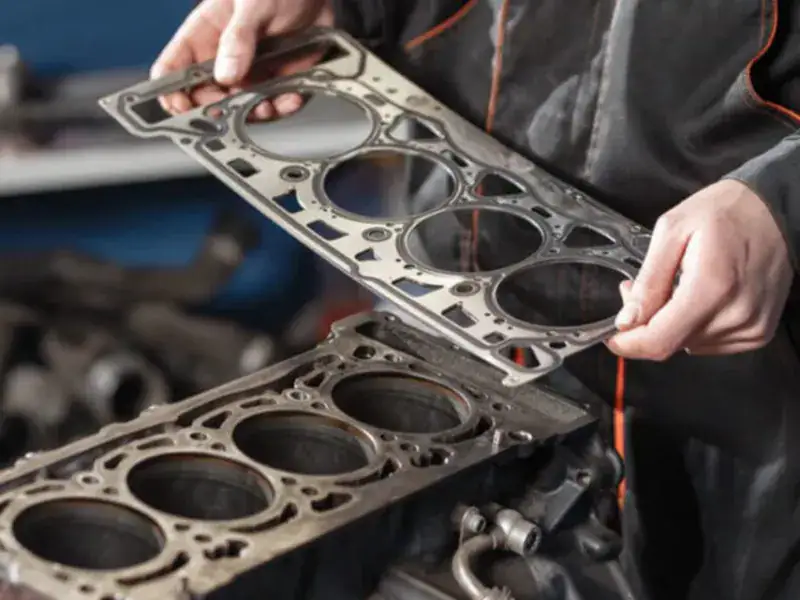
Step 1: Remove the old head gasket
Start by carefully disassembling the cylinder head and removing the old gasket. During this process, inspect all components for visible damage, wear, or failure points that may have contributed to the gasket issue.
Step 2: Clean the mating surfaces
Thoroughly clean the contact surfaces on both the engine block and cylinder head. Remove any residue, rust, or debris to ensure a smooth and even sealing area. If necessary, use appropriate industrial cleaning products to achieve optimal surface condition.
Step 3: Check for warping or distortion
Use a straightedge and the light-gap method to check for unevenness across the surfaces. Inspect in multiple directions to identify any warping or distortion. Any irregularities must be corrected before installing the new gasket to ensure proper sealing.
Step 4: Install the new head gasket
Carefully position the new head gasket, aligning it precisely with the cylinder bores and fluid passages. Make sure the orientation is correct and that it sits evenly in place. Avoid forcing the gasket, as improper installation can lead to sealing failure.
Step 5: Install and tighten the bolts
Reinstall the cylinder head bolts, using new ones if required. Tighten them according to the correct torque sequence and in stages, following the manufacturer’s specifications. Be careful to avoid over-tightening, as this can damage the gasket and affect sealing performance.
Torque specification check after head gasket replacement
Correct torque is essential for sealing performance.
-
Always follow manufacturer torque values
-
Use calibrated torque tools
-
Apply tightening in proper sequence
It’s worth pointing out that in some engines, re-torque may be required after ~50 operating hours.
Failure to follow proper torque procedures can result in:
-
premature gasket failure
-
uneven sealing
-
engine coolant leaks
Choose reliable head gaskets from Holdwell
At Holdwell, we provide a wide range of engine cylinder head gaskets and rebuild components compatible with:
-
Forklifts (Toyota, Hyster, Komatsu, etc.)
-
Construction equipment
-
Agricultural machinery
-
Telehandlers & loaders
-
Ground support equipment
Why choose Holdwell?
-
High-quality MLS gasket solutions
-
Precision fit for OEM compatibility
-
Reliable sealing under extreme conditions
-
Global supply and technical support
Ready to replace your head gasket?
Whether you’re performing preventive maintenance or repairing a blown gasket, choosing the right part is critical.
Holdwell can help you:
-
Identify the correct gasket for your engine
-
Provide complete repair kits
-
Support your maintenance and rebuild needs
Contact Holdwell instantly to find the right cylinder head gasket for your equipment and keep your engine running at peak performance.